Landscaping
Fence Calculator: Posts, Rails, Panels and Concrete for Your Fence
Quick answer
Divide fence length by post spacing and add one, plus a post for each corner and gate: 100 feet of wood fence in 8 foot sections needs 14 posts and 26 rails. A 4x4 post for a 6 foot fence sets in a hole about 10 inches wide and 30 inches deep, using about three 50 pound bags of concrete.
Fence material lists come down to a few counts: posts, the rails or wire between them, the pickets or panels that cover it, and the concrete that holds the posts. Enter your fence line length, height, style, corners and gates, and the calculator counts posts and rails, pickets or wire rolls, and bags of concrete per post. Measure the line with a long tape or a measuring wheel, and confirm the property line before you plan anything.
Fence calculator
Posts needed
Fencing and tools for this job
Top matches update when you calculate.
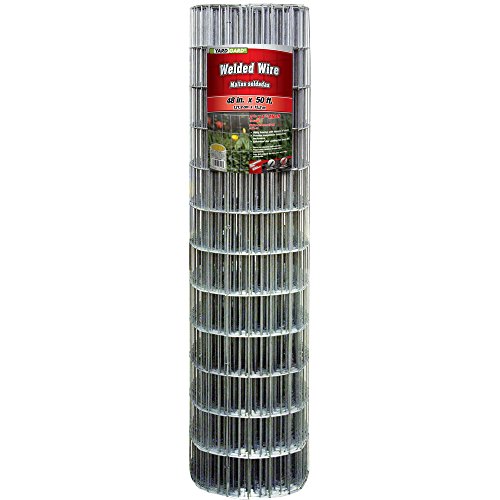
YARDGARD 14-Gauge Welded Wire Fence (48 in. x 50 ft.)
$74.68Heavy 14-gauge galvanized wire in a 2 x 4 in. mesh with welded joints that resist sagging, for garden and animal enclosures.
Best for: garden and rabbit fencing on wood or T-posts
Check price on Amazon
FOREHOGAR Green PVC Coated Welded Wire Fence (48 in. x 50 ft.)
$87.99Galvanized 16-gauge wire with a green vinyl coat in a 2 x 3 in. mesh that blends into plantings better than bare steel.
Best for: vegetable garden borders where looks matter
Check price on Amazon
AMAGABELI 44 in. No Dig Metal Garden Fence (4 Panels, 12 ft.)
$119.99Four single-piece 44 x 36 in. powder-coated iron panels with dense wire gaps that push into soil with no tools or assembly.
Best for: keeping dogs out of a flower or vegetable bed
Check price on Amazon
AMAGABELI 32 in. No Dig Garden Border Fence (14 Panels, 20 ft.)
$44.98Pre-linked 32 in. tall arched panels that unfold into 20 ft of curves or corners with no tools, finished in rust-resistant coated iron.
Best for: decorative bed borders that deter small animals
Check price on Amazon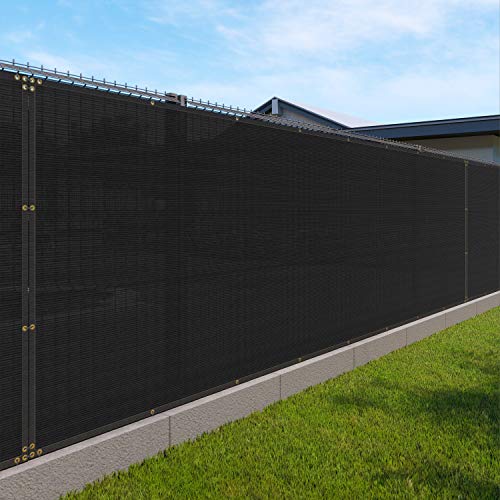
Windscreen4less Privacy Fence Screen (6 x 50 ft.)
$39.98Breathable polyethylene mesh with about 90 percent visibility blocking, stitched edges and brass grommets, zip ties included.
Best for: adding privacy to a chain link fence
Check price on Amazon
Yellow Paw Industrial T-Post Driver (18.5 lb)
$48.99An 18.5 lb powder-coated steel driver, 2-3/4 in. inside diameter and 24 in. long, with extra-wide handles to drive T-posts, U-posts and pipe.
Best for: setting a run of T-posts for garden or wire fence
Check price on Amazon
AMES Post Hole Digger with Measuring Handle (58 in.)
$67.21Tempered steel blades on North American hardwood handles with a depth ruler printed on the handle for consistent post holes.
Best for: fence, deck footing and mailbox post holes
Check price on Amazon
Wagner FLEXiO 4000 Stationary HVLP Paint and Stain Sprayer
$240.99An X-Boost turbine that sprays most unthinned stains and paints through a 15 ft air hose, with two nozzles for broad fence boards and fine trim.
Best for: staining a wood fence or deck railing yourself
Check price on Amazon
Graco Magnum X5 Airless Paint Sprayer
$338.99An airless sprayer with adjustable pressure that draws unthinned stain straight from a 1 or 5 gallon bucket and supports up to 75 ft of hose.
Best for: long fence lines and full-house exterior projects
Check price on AmazonOn this page
How many fence posts do I need?
| Fence length | Wood posts, 8 ft spacing | Wood rails, 2 per section | T-posts, 10 ft spacing | 50 ft wire rolls |
|---|---|---|---|---|
| 50 ft | 8 | 14 | 6 | 1 |
| 100 ft | 14 | 26 | 11 | 2 |
| 150 ft | 20 | 38 | 16 | 3 |
| 200 ft | 26 | 50 | 21 | 4 |
| 300 ft | 39 | 76 | 31 | 6 |
How much concrete do I need per fence post?
| Fence and post | Hole size | Concrete volume | 50 lb bags | 80 lb bags |
|---|---|---|---|---|
| 4 ft fence, 4x4 post | 11 in x 24 in | 0.77 cu ft | 3 | 2 |
| 6 ft fence, 4x4 post | 11 in x 30 in | 1.03 cu ft | 3 | 2 |
| 6 ft fence, 6x6 post | 17 in x 30 in | 2.55 cu ft | 7 | 5 |
| 8 ft fence, 6x6 post | 17 in x 38 in | 3.4 cu ft | 10 | 6 |
How is the fence calculation done?
- Line posts = fence length / post spacing, rounded up, plus 1
- Extra posts = 1 per corner and 1 per gate, since each gate needs posts on both sides
- Rails = sections x 2 for fences under 6 ft, x 3 for 6 ft and taller
- Pickets = section length in inches / (picket width + gap), for each section
- Concrete = (hole volume minus post volume) / bag yield, with a 50 lb bag yielding about 0.375 cu ft and an 80 lb bag about 0.6 cu ft
Gate openings are subtracted from the fenced length before counting sections. Wire fences use heavier wood or steel posts at corners and gates, braced, with T-posts in between, and about 4 to 5 clips per T-post to attach the wire.
What fence is best for a yard or garden?
Welded wire on T-posts is the fastest and cheapest way to fence a garden or keep dogs in an area: a roll such as the YARDGARD 14-Gauge Welded Wire Fence (48 in. x 50 ft.) covers 50 feet, and vinyl-coated wire like the FOREHOGAR Green PVC Coated Welded Wire Fence (48 in. x 50 ft.) blends into landscaping and resists rust. A T-post driver such as the Yellow Paw Industrial T-Post Driver (18.5 lb) makes setting posts far faster than a sledge. No-dig metal panels like the AMAGABELI 44 in. No Dig Metal Garden Fence (4 Panels, 12 ft.) need no concrete for decorative borders and garden beds. Wood privacy fences cost more and take longer, but block views and wind; add privacy fabric such as the Windscreen4less Privacy Fence Screen (6 x 50 ft.) to an existing chain link or wire fence instead of replacing it. Ranked options are in the best garden fencing.
How do I stain or seal a wood fence faster?
Brushing a long fence takes days; a sprayer takes hours. An HVLP sprayer such as the Wagner FLEXiO 4000 Stationary HVLP Paint and Stain Sprayer handles fences and furniture with controllable overspray, while an airless sprayer like the Graco Magnum X5 Airless Paint Sprayer moves far more stain for long runs and siding. Back-brush the first coat into rough wood, protect plants and cars from overspray, and follow the stain maker's dry time before rain. Wait for new pressure-treated lumber to dry out, often several weeks, before staining. Pressure washing an old fence first is covered in pressure washer PSI for wood fences.
Frequently asked questions
How many posts do I need for 100 feet of fence?
With 8 foot spacing for a wood fence, 100 feet needs 13 line sections and 14 posts, plus one extra post for each corner and gate side. With T-posts at 10 foot spacing for a wire fence, 100 feet needs 11 posts, and corners and gates should use heavier braced posts. Always add the extra posts before ordering.
How many bags of concrete per fence post?
For a 4x4 post on a 6 foot fence in a hole about 10 inches wide and 30 inches deep, plan about 1 cubic foot of concrete, roughly three 50 pound bags or two 80 pound bags. Larger 6x6 posts and taller fences need more. Deeper holes may be required where frost depth or local code calls for them.
How far apart should fence posts be?
Wood privacy and picket fences typically set posts 6 to 8 feet apart, with 8 feet the common maximum because rails and panels come in 8 foot lengths. Welded wire and field fences on T-posts usually use 8 to 12 foot spacing, closer on uneven ground or for larger animals. Gate posts and corners need extra strength and bracing regardless of spacing.
How deep should fence posts be?
A common rule is to bury about one third of the post height above ground, plus several inches of gravel at the bottom for drainage, so a 6 foot fence needs holes roughly 2.5 to 3 feet deep. In cold climates, set posts below the frost line to prevent heaving. Local building codes and HOA rules may set specific depths.
Do I need concrete for fence posts?
Concrete is standard for wood privacy fences, gates and corner posts because it resists wind load and leaning. Some builders set line posts in tamped gravel instead, which drains better and makes replacement easier. Steel T-posts for wire fences are driven directly into the soil without concrete, while no-dig decorative panels use stakes only.
Researched, not professional advice. This page is compiled from published specifications, manuals, labels and owner-review consensus, not hands-on testing. Follow the manufacturer's instructions and product label, and consult a qualified professional where safety, chemicals, fuel or structures are involved. As an Amazon Associate we earn from qualifying purchases.