Seasonal Lawn Care
Zone 9 Winter Lawn Care Calendar: What to Do and When
Quick answer
Zone 9 winters bring lows of 20 to 30 F and only a few months of dormancy, often partial. Mowing drops to every three or four weeks, no lawn gets nitrogen, and the two jobs that matter are watering through a dry winter spell and treating winter annual weeds while they are small.
Winter in zone 9 is a pause rather than a shutdown. A light frost browns the top growth, a mild spell greens part of it back, and many lawns spend the season somewhere in between. There is no snow programme here, which surprises people arriving from colder states, and the actual risks are overwatering, mowing frozen or frosted turf and feeding a lawn that cannot use it.
It is the best planning season of the year. The mowing time calculator shows what a wider deck would save over a nine month mowing season, and the lime calculator estimates lime, which acts over months and so belongs in the cool part of the year.
On this page
What does a zone 9 winter lawn care schedule look like?
Zone 9 sees frost and occasional hard freezes but rarely sustained cold. Winter here is also often dry, which flips the usual advice: irrigation may matter more now than during the rainy season.
| Task | Trigger | Timing cue | Notes |
|---|---|---|---|
| Mow occasionally | Growth during mild spells | Every 3 to 4 weeks | Keep the normal height; do not lower it for winter |
| Mow overseeded ryegrass | Ryegrass growing | Every 10 to 14 days | Only where you overseeded |
| Water during a dry spell | No rain for 2 to 3 weeks | Through winter | About 0.5 in per session; dormant turf needs far less |
| Stay off frosted turf | Frost on the blades | Cold mornings | Footprints on frosted grass show as brown tracks |
| Protect spigots before a freeze | Hard freeze forecast | Cold snaps | Disconnect hoses; insulate exposed bibs and backflow devices |
| Winter annual weed control | Weeds green and growing, air above 50 F | Through winter | Burweed treated now is painless; treated late it is not |
| No nitrogen | Whole season | Whole season | Slow or dormant turf cannot use it |
| Lime if the soil test calls for it | Any time | Through winter | Months of lead time before the growing season |
| Service mower, spreader and sprayer | Off season | Any time | A nine month mowing season is hard on blades and belts |
| Buy the spring pre-emergent | Before soil reaches 50 F | Late winter | The zone 9 window opens very early |
There is no snow removal content for this zone. Freeze protection here means plumbing, irrigation components and tender landscape plants rather than the turf itself.
Is my lawn dead or just dormant in a zone 9 winter?
Almost always dormant, and often only partly. After a frost, warm-season grass turns tan from the top down while the crowns and runners stay alive, and in a mild winter parts of the lawn may keep some colour. Dig a small plug to check: pliable stolons and firm white roots mean a living lawn.
Genuine winterkill in zone 9 is uncommon and concentrates in the same places it does farther north, meaning low wet ground, deep shade, compacted soil and any area fed late in fall. St. Augustine is the least cold hardy of the common grasses here. Do not try to force colour back with fertilizer or extra water, and plan repairs for late spring, when plugs such as SodPods St. Augustine Seville Grass Plugs, 64 Count can root into warm soil. Grass profiles are on St. Augustinegrass, bahiagrass and centipedegrass.
Do I need to water my lawn in winter in zone 9?
Sometimes, which makes zone 9 different from colder zones where the answer is simply no. Winter is often the dry season here, and sandy soils do not hold what little rain falls.
| Situation | Water? | How much | Notes |
|---|---|---|---|
| Dormant turf, normal rainfall | No | None | Dormant grass uses very little water |
| Dormant turf, 2 to 3 weeks without rain | Yes, occasionally | About 0.5 in per session | Keeps crowns hydrated through a dry spell |
| Overseeded ryegrass | Yes | 0.5 in, once or twice a week | Actively growing cool-season grass |
| Newly laid sod or plugs | Yes | Light and frequent | Roots are shallow until established |
| Ahead of a hard freeze | Lightly, on dry soil | About 0.25 in | Moist soil holds heat better than dry soil |
| During or after heavy winter rain | No | None | Saturated soil through a cold spell damages crowns |
Check local watering day and hour restrictions, which apply year round in many parts of this zone, before setting a controller for winter.
Can I kill weeds in a zone 9 lawn in winter?
Yes, and this is the easiest weed control of the year. Winter annuals are green and growing while the lawn is slow, so they stand out and take the herbicide while the turf is barely affected. Lawn burweed in particular should be treated now, while the plants are small and before they form the spiny burs that make a lawn unusable barefoot in spring.
Spot-treat on mild days when air is above 50 F and the weeds are actively growing, using a product that names your grass, such as Ortho WeedClear Weed Killer for Lawns Concentrate, 1 gal or Spectracide Large Plot Weed Stop for Lawns Concentrate, 1 gal, applied with a sprayer like the Smith Performance Sprayers R200 2-Gallon Compression Sprayer or the Chapin 16200 2-Gallon Pump Sprayer. Never spray frosted, drought-stressed or dormant-but-thin turf, and remember that several products exclude St. Augustine or centipede. Weed pages: lawn burweed, common chickweed and henbit.
What gear is worth buying in a zone 9 winter?
Hardscape cleaning, service tools and next season's pre-emergent. See the best pressure washers and the best lawn sprayers.

Simpson Clean Machine 3400 PSI 2.5 GPM Gas Pressure Washer
$329.99A 3400 PSI, 2.5 GPM gas pressure washer with enough flow for long drives, pool decks and fence lines, which are far more pleasant jobs in the cool months.
Best for: large concrete and fence areas
Check price on Amazon
Wet & Forget Outdoor Cleaner Concentrate (128 oz.)
$34.99A concentrate for mold, mildew and algae on surfaces that pressure washing can damage, applied and left to weather rather than scrubbed.
Best for: shaded siding, fences and screen enclosures
Check price on Amazon
Smith Performance Sprayers R200 2-Gallon Compression Sprayer
$55.97A pro-grade 2 gallon compression sprayer with a stainless wand and Viton seals that survive repeated herbicide use, sized for spot-treating burweed while it is small.
Best for: targeted cool-weather spraying
Check price on Amazon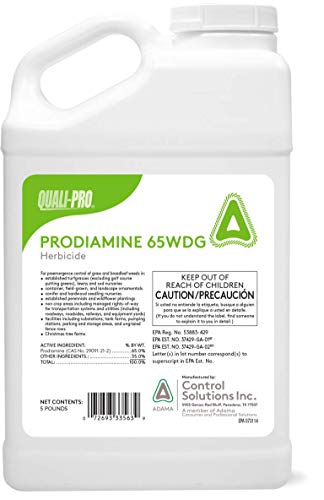
Quali-Pro Prodiamine 65 WDG Pre-Emergent Herbicide, 5 lb
$77.00A sprayable 65 percent prodiamine pre-emergent that tank-mixes with fertilizer and iron, with a 5 lb bottle covering many seasons. Zone 9 hits the 50 to 55 F soil trigger very early.
Best for: sprayer owners treating large areas
Check price on Amazon
Oregon Platinum Gatorline .080 in. Trimmer Line, 414 ft
$22.99A 414 ft spool of .080 in. trimmer line, the consumable that runs out fastest across a nine month season of edging and trimming.
Best for: restocking before spring
Check price on AmazonHow we chose
We did not test these products in person. Picks are researched from manufacturer specifications and owner manuals, engine and safety certifications where they apply, warranty terms, public recall records, and the recurring themes in verified owner reviews. We favor established brands with large review counts and parts support, match each pick to a real yard size or task, and place it in the tier where its price and capability actually belong.
Frequently asked questions
How often should I mow in winter in zone 9?
Every three or four weeks at most on dormant or slow warm-season turf, and only when it has actually grown. Keep the same height you use in the growing season rather than lowering it, since that leaf area protects the crowns and shades out winter weeds. If you overseeded with ryegrass, expect to mow that every 10 to 14 days through mild spells.
Should I fertilize my lawn in winter in zone 9?
No nitrogen. Dormant or slow-growing warm-season grass cannot take it up, so it mostly feeds winter weeds or leaches through sandy soil. Lime is different: if a soil test shows acidic soil, applying it now gives months for it to act before the growing season. Overseeded ryegrass is the only turf here that might justify a light winter feeding.
Do I need to protect my lawn from frost in zone 9?
The turf itself needs no covering. Frost browns the top growth while the crowns and runners survive, and the grass regrows at green-up. What matters is staying off frosted grass, since walking or driving on frozen blades crushes them and leaves brown tracks for weeks. Protect exposed spigots, backflow devices and tender landscape plants instead.
When does my lawn green up again in zone 9?
As soil at 2 inches climbs steadily past about 65 F, which in zone 9 can be early in spring and sometimes sooner in the southern part of the zone. Green-up is uneven: sunny areas turn well before shaded ones. Wait for the whole lawn to be growing, and for one or two mows, before applying the first nitrogen of the year.
Researched, not professional advice. This page is compiled from published specifications, manuals, labels and owner-review consensus, not hands-on testing. Follow the manufacturer's instructions and product label, and consult a qualified professional where safety, chemicals, fuel or structures are involved. As an Amazon Associate we earn from qualifying purchases.