Weed Control
White Clover in Lawns: Identification and Control
Quick answer
White clover is a stoloniferous broadleaf perennial that fixes its own nitrogen, so it thrives where turf is underfed. Feeding nitrogen and mowing at 3 inches is half the control. For the rest, use a broadleaf product containing triclopyr or a three-way mix, because 2,4-D alone is weak on clover.
Clover in a lawn is a fertility signal before it is a weed problem. White clover carries nitrogen-fixing bacteria in root nodules, which means it manufactures the nutrient the surrounding grass is short of. In a well-fed lawn the grass outgrows it. In an underfed one, clover has an advantage that no herbicide changes.
That is also the honest caveat: clover is not damaging turf, it stays green in drought, it feeds pollinators, and plenty of people deliberately seed it. If you want it gone, fine, but fix the nitrogen first or it comes back. Work out the rate with the fertilizer calculator and read what the bag numbers mean in how to read a fertilizer label.
On this page
How do I identify white clover?
| Trait | White clover |
|---|---|
| Weed type | Broadleaf, in the legume family |
| Life cycle | Perennial; creeping stems survive winter and restart in spring |
| Season | Cool season; strongest in spring and fall, fades in summer heat without water |
| How it spreads | Stolons, which are above-ground runners that root at each node, plus seed |
| Leaf | Three oval leaflets, usually with a pale crescent watermark across each one |
| Flower | Round white to pinkish head on a short stalk, a favorite of bees |
| Roots | Shallow fibrous roots with pink or white nodules that fix nitrogen from the air |
| Growth habit | Low mats that spread sideways under the mower and never get cut |
| What it says about the lawn | Low nitrogen, thin turf, and often compacted or dry soil |
Black medic looks similar but has a middle leaflet on a short stalk, yellow flowers and no watermark. Yellow woodsorrel has heart-shaped leaflets and yellow flowers. Both are covered on their own pages.
Why do I have so much clover in my lawn?
Because your grass is hungry and clover is not. Nitrogen-fixing nodules on clover roots convert atmospheric nitrogen into a form the plant can use, so when soil nitrogen runs low the grass slows down and clover keeps going. The patches spread at exactly the pace the turf gives ground.
Three other things push it along. Mowing short removes grass leaf area while leaving the flat clover mats untouched, since stolons run below blade height. Compacted soil holds back fibrous grass roots more than it holds back clover. And drought favors clover, which stays green after unwatered turf browns out.
Follow a real feeding program rather than a single application. Most cool-season lawns want 2 to 4 pounds of nitrogen per 1,000 square feet a year with the bulk of it in fall. Compare product types in liquid vs granular fertilizer and pick from the best lawn fertilizers.
What kills clover without killing grass?
Clover has a waxy leaf and a creeping habit, which is why some broadleaf products that flatten dandelions barely check it. Chemistry choice matters more here than on most weeds.
| Method | When | What it involves |
|---|---|---|
| Feed nitrogen | Through the season, most in fall | The control that lasts. Grass that is not nitrogen-starved shades clover out and keeps it out. |
| Raise mowing height | Every mowing | At 3 in or more the turf canopy shades stolons running along the ground. Short mowing does the opposite. |
| Water deeply in dry spells | Summer | Clover holds green through drought that browns turf, so letting a lawn go dormant hands it ground. |
| Hand pulling | Small patches, moist soil | Pull the whole mat including rooted stolon nodes. Every node left behind is a new plant. |
| Three-way broadleaf herbicide | Spring or fall, while clover is actively growing | Mixes containing 2,4-D, dicamba and mecoprop. Dicamba and mecoprop do most of the work on clover. |
| Triclopyr products | Fall for the most reliable result | Triclopyr is among the stronger actives on clover and other waxy-leaved perennials. Check the turf list, since it can injure warm-season grasses. |
| Repeat application | Per the label interval | Clover regrows from surviving stolon nodes, so a second treatment is normal rather than a sign the first one failed. |
Clover flowers attract bees. Mow the flower heads off before you spray, and do not treat when bees are working the lawn.
Which products work on clover?
Ortho WeedClear Weed Killer for Lawns Concentrate, 1 gal is labeled for over 250 weeds including clover on most turf types, though not Floratam St. Augustine, and treats up to 64,000 sq ft. Spectracide Large Plot Weed Stop for Lawns Concentrate, 1 gal is the budget equivalent, rainproof after 6 hours. For stubborn patches, a triclopyr product is the class to look for on the label. Syngenta Tenacity Turf Herbicide, 8 oz lists clover among its targets and works on cool-season lawns, with the usual white bleaching of treated plants.
Straight Southern Ag Amine 2,4-D Weed Killer, 32 oz is the classic broadleaf active, but on clover alone it is the weakest of the common options, which is why most home products blend it with dicamba and mecoprop. If a product only lists 2,4-D and your clover shrugs it off, that is the reason.
Warm-season lawns need care. Many 2,4-D products injure St. Augustinegrass and centipedegrass, and triclopyr can damage warm-season turf in heat. Roundup Weed and Grass Killer4 Concentrate, 1 gal kills clover and the lawn with it, so keep it off turf you want to keep.
What gear helps with clover?
Clover is a fertility problem wearing a weed costume, so the spreader matters more than the sprayer. Add a soil test if the lawn has never had one, because pH below about 6.0 locks up nutrients and keeps turf thin no matter how much you feed. Spreader options are in the best lawn spreaders.

EarthWay 2150 Commercial 50 lb Broadcast Spreader
$279.99A 50 lb commercial push broadcast spreader with 13 inch pneumatic tires and a fully enclosed gearbox, so the spread pattern stays consistent on bumpy lawns.
Best for: lawns from a quarter to a full acre
Check price on Amazon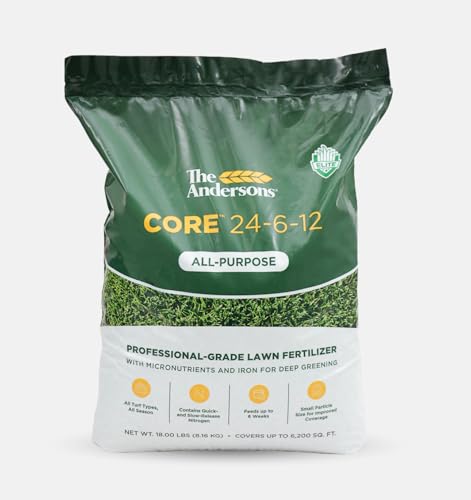
The Andersons Core 24-6-12 Professional Lawn Fertilizer, 45 lb
$89.88Super-fine granules with quick and slow release nitrogen plus iron and micronutrients, labeled for all turf types at 15,500 sq ft per bag.
Best for: DIYers who want even, pro-grade feeding
Check price on Amazon
MySoil Soil Test Kit
$34.26A prepaid mail-in lab test reporting pH and 13 plant-available nutrients in 6 to 8 days with rate recommendations, which beats guessing at why turf stays thin.
Best for: testing before you fertilize or lime
Check price on Amazon
Chapin 16200 2-Gallon Pump Sprayer
$26.44A 2 gallon pump sprayer with an adjustable cone nozzle and nitrile seals rated for weed killer, sized for treating patches rather than the whole lawn.
Best for: spot-spraying clover patches
Check price on AmazonHow we chose
We did not test these products in person. Picks are researched from manufacturer specifications and owner manuals, engine and safety certifications where they apply, warranty terms, public recall records, and the recurring themes in verified owner reviews. We favor established brands with large review counts and parts support, match each pick to a real yard size or task, and place it in the tier where its price and capability actually belong.
Frequently asked questions
Does fertilizer really get rid of clover?
It shifts the competition decisively, though it rarely removes established mats on its own. Clover fixes its own nitrogen, so it only wins where the grass is short of it. Feed the lawn on a real program, mow at 3 inches or more, and the turf closes over clover through a season or two. For existing patches, combine feeding with a broadleaf herbicide rather than relying on either alone.
Should I just leave clover in my lawn?
That is a legitimate choice. White clover stays green in drought, feeds pollinators, adds nitrogen to the soil and tolerates poor fertility, which is why clover lawns and clover-grass blends are sold on purpose. The drawbacks are bee activity where children play barefoot, slippery patches when wet, and an uneven look next to turf. Nothing about clover damages the grass around it.
Why did my weed killer not touch the clover?
Most likely the product relied on 2,4-D alone, which is the weakest common active on clover. Three-way mixes add dicamba and mecoprop, which do the real work, and triclopyr products are stronger still on waxy-leaved perennials. The other usual causes are spraying a drought-stressed plant that is not actively growing, or rain arriving before the label rainfast interval had passed.
Will clover come back after I kill it?
Yes, unless the underlying fertility changes. Clover regrows from surviving stolon nodes and from seed in the soil, so a second application at the label interval is normal. More importantly, a lawn that was short of nitrogen before is still short of it after spraying, and clover recolonizes the same thin areas. Feeding and higher mowing are what keep it from returning.
Researched, not professional advice. This page is compiled from published specifications, manuals, labels and owner-review consensus, not hands-on testing. Follow the manufacturer's instructions and product label, and consult a qualified professional where safety, chemicals, fuel or structures are involved. As an Amazon Associate we earn from qualifying purchases.